
Call us now :08045803699
 Send Inquiry
 Send Inquiry
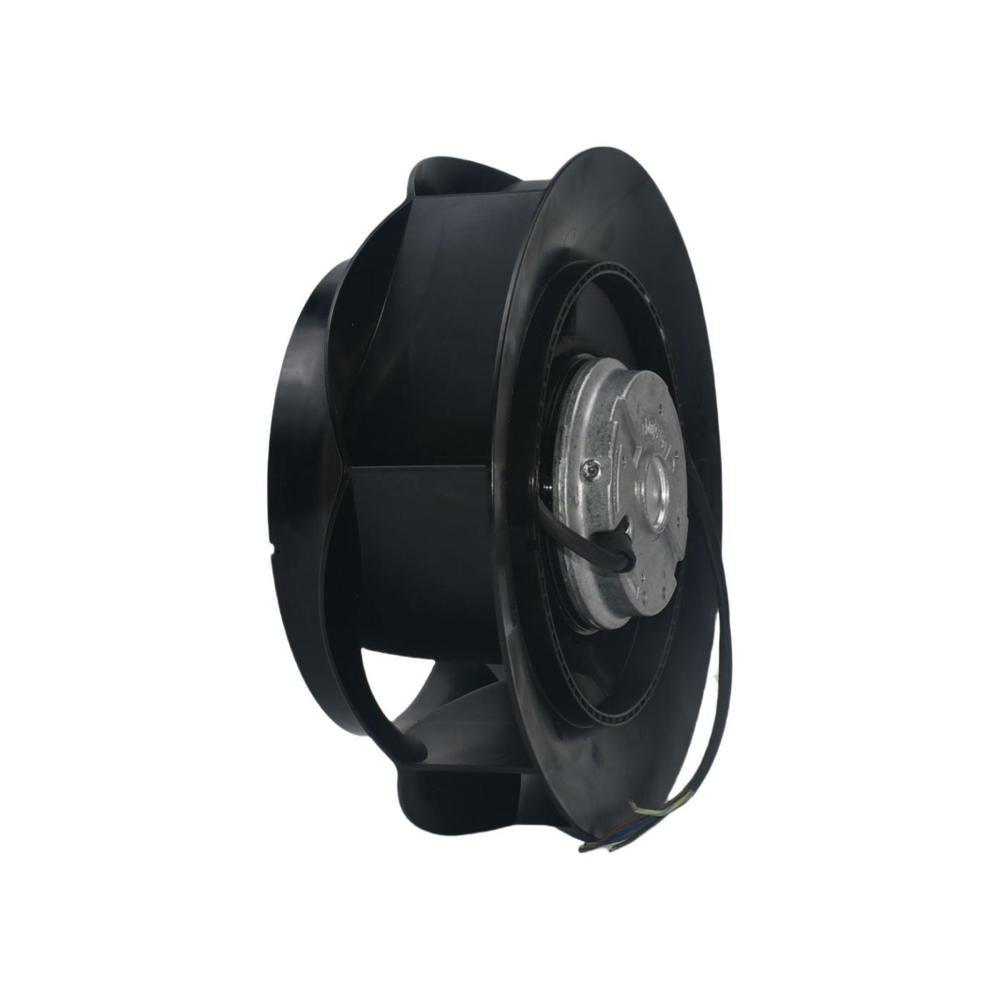
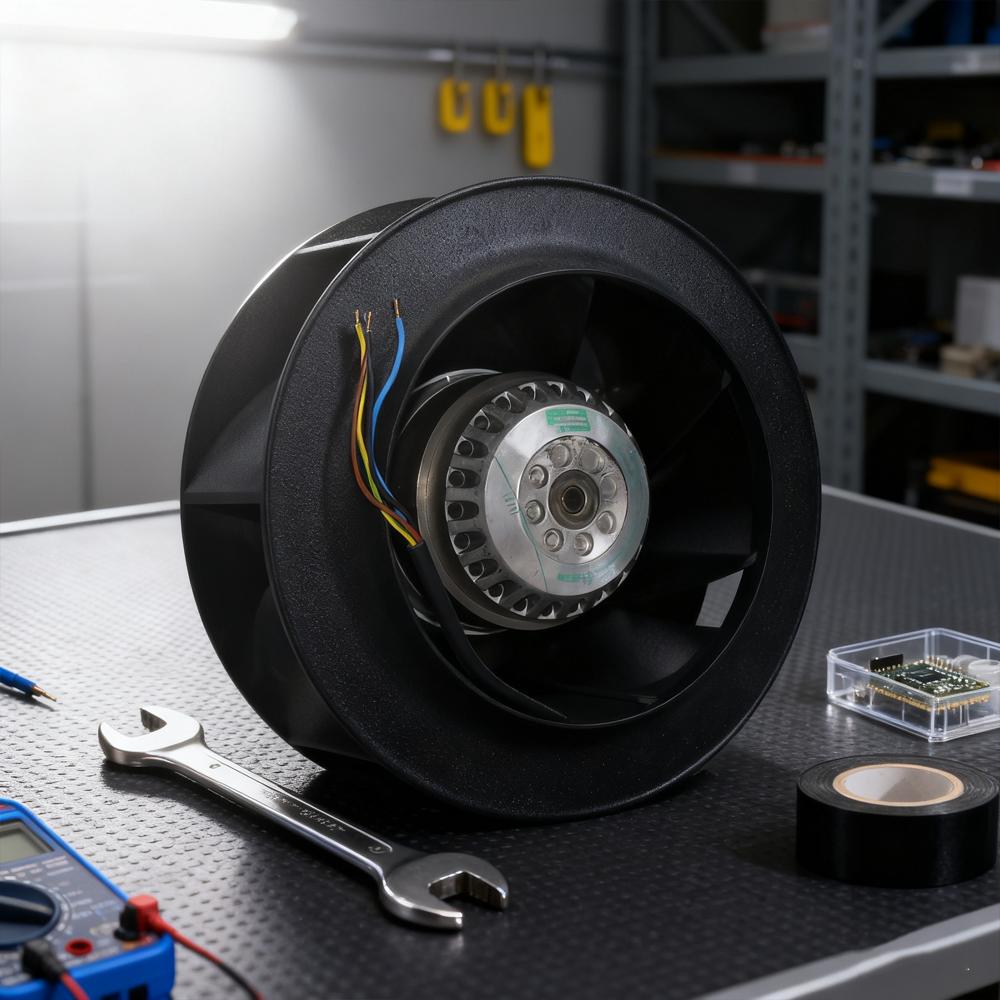
EBM PAPST R2E225-RA92-10 230V Inverter Centrifugal Fan with Aluminum Blades Centrifugal Fan
Price 4999.0 INR/ Piece
MOQ : 10 Pieces
EBM PAPST R2E225-RA92-10 230V Inverter Centrifugal Fan with Aluminum Blades Centrifugal Fan Specification
- Flow Rate
- 680 m3/h
- Power
- 160 W
- Output Power
- 160 W
- Max Pressure
- 370 Pa
- Life Span
- 40,000 hours (L10 at 40C)
- Pressure Range
- Up to 370 Pa
- Motor Power
- 160 W
- Product Type
- Centrifugal Fan
- Material
- Aluminum blades, galvanized steel housing
- Capacity
- 680 m3/h (max airflow)
- Pressure
- Max. 370 Pa
- Application
- HVAC, electronic cooling, ventilation, control cabinets
- Frequency (MHz)
- 50/60 Hz
- Motor Speed
- 2650 RPM
- Noise Level
- 69 dB(A)
- Power Source
- Electric Blower
- Voltage
- 230V AC
- Weight
- Approx. 3.2 kg
- Dimension (L*W*H)
- 225 Millimeter (mm)
- Color
- BLACK
- Control Type
- Integrated inverter for variable speed
- Connection Type
- Terminal block
- Approval/Certification
- CE, UL, VDE
- Enclosure Rating
- IP44
- Operational Temperature Range
- -30C to +60C
- Rotation Direction
- Clockwise, seen from rotor
- Impeller Type
- Backward curved
- Mounting
- Panel mount
- Bearing Type
- Ball bearing
EBM PAPST R2E225-RA92-10 230V Inverter Centrifugal Fan with Aluminum Blades Centrifugal Fan Trade Information
- Minimum Order Quantity
- 10 Pieces
- Delivery Time
- 1 Week
About EBM PAPST R2E225-RA92-10 230V Inverter Centrifugal Fan with Aluminum Blades Centrifugal Fan
The EBM PAPST R2E225-RA92-10 is a high-performance inverter-controlled centrifugal fan designed for reliable cooling in industrial and commercial environments. Operating at 230V AC, this fan delivers stable, efficient airflow with precise control, making it ideal for HVAC systems, industrial machinery, electronic enclosures, and process cooling applications.
Equipped with aluminum blades, the R2E225-RA92-10 ensures long-lasting durability, corrosion resistance, and optimized airflow efficiency. Its centrifugal design provides strong static pressure for effective ventilation, while the inverter control enables variable-speed operation, reducing energy consumption and improving system flexibility. Built with EBM PAPSTs German engineering excellence, this fan guarantees quiet operation, low vibration, and dependable performance in continuous-duty industrial settings.
Reliable and Efficient Airflow Solution
Designed for optimal performance in a variety of industrial and commercial environments, the EBM PAPST R2E225-RA92-10 ensures stable and efficient air movement. With high-grade aluminum blades and a robust galvanized steel housing, this centrifugal fan combines durability and high airflow capacity with variable speed control for enhanced versatility.
Broad Application and Mounting Flexibility
This centrifugal fan is suitable for multiple applications including HVAC systems, electronic cooling units, ventilation schemes, and control cabinets. The panel mount design, ball bearing system, and IP44 enclosure rating support both indoor and industrial setups, enabling consistent performance in diverse environmental conditions.
FAQ's of EBM PAPST R2E225-RA92-10 230V Inverter Centrifugal Fan with Aluminum Blades Centrifugal Fan:
Q: How does the integrated inverter benefit the operation of the R2E225-RA92-10 centrifugal fan?
A: The integrated inverter allows for precise variable speed control, enabling adjustment of airflow and energy consumption according to specific application requirements. This leads to enhanced efficiency and operational flexibility in changing environments.Q: What is the recommended process for mounting this fan?
A: The fan is designed for panel mounting. Secure the unit using the designated mounting points on the panel, ensure correct electrical connections via the terminal block, and confirm the fan's clockwise rotation as seen from the rotor for proper operation.Q: When is this centrifugal fan suitable for use?
A: The R2E225-RA92-10 is ideal for continuous operation in HVAC, electronic cooling, ventilation, and control cabinet applications, particularly where variable airflow is necessary. Its temperature tolerance from -30C to +60C allows reliable performance in both low and high ambient conditions.Q: Where can the R2E225-RA92-10 be implemented most effectively?
A: This fan suits locations that demand efficient cooling or ventilation, such as industrial control cabinets, server rooms, HVAC ducts, and electronic enclosures, providing strong airflow and consistent pressure.Q: What kind of maintenance is required to maximize the lifespan of this fan?
A: Periodic cleaning of the impeller and housing, inspection of electrical connections, and ensuring unobstructed airflow paths help maintain optimal performance. The ball bearing system is designed for longevity, requiring minimal maintenance.Q: How does the backward-curved impeller design contribute to fan performance?
A: Backward-curved impellers enable higher efficiency by minimizing turbulence and noise while generating higher static pressure, making them ideal for systems that require steady airflow against resistance, such as ducts or filters.Q: What are the benefits of the IP44 enclosure and the certifications (CE, UL, VDE)?
A: The IP44 rating safeguards against dust and water splashing, ensuring reliability in demanding environments. CE, UL, and VDE certifications confirm that the fan meets international safety and quality standards, providing confidence in its usage.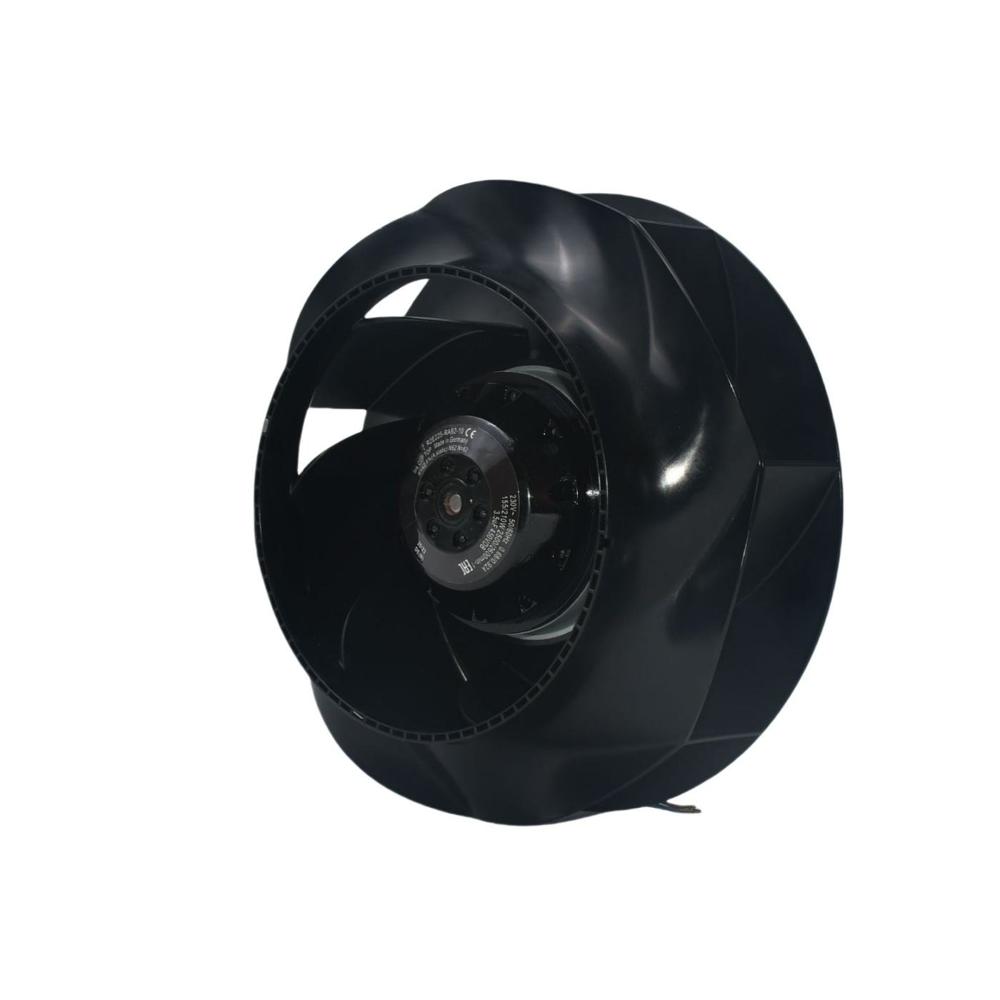
Tell us about your requirement

Price:
Quantity
Select Unit
- 50
- 100
- 200
- 250
- 500
- 1000+
Additional detail
Mobile number
Email

More Products in Electric Air Blower Category
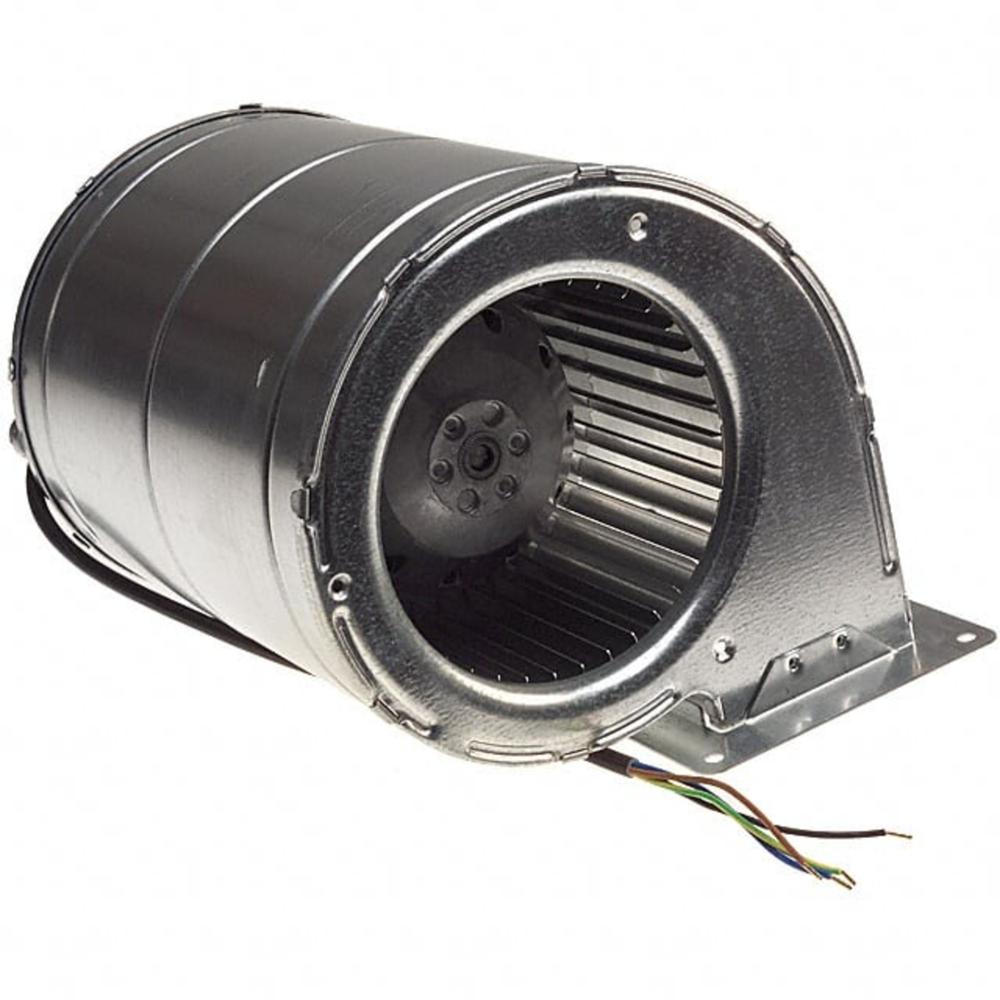
EBMPAPST D2E 133-AM47-23 230V AC 0.84A 190W 1500RPM 17251mm METAL Industrial Axial Blower Fan
Price 49999.0 INR / Piece
Minimum Order Quantity : 10 Pieces
Dimension (L*W*H) : 172 Millimeter (mm)
Power Source : Electric Blower
Color : Silver
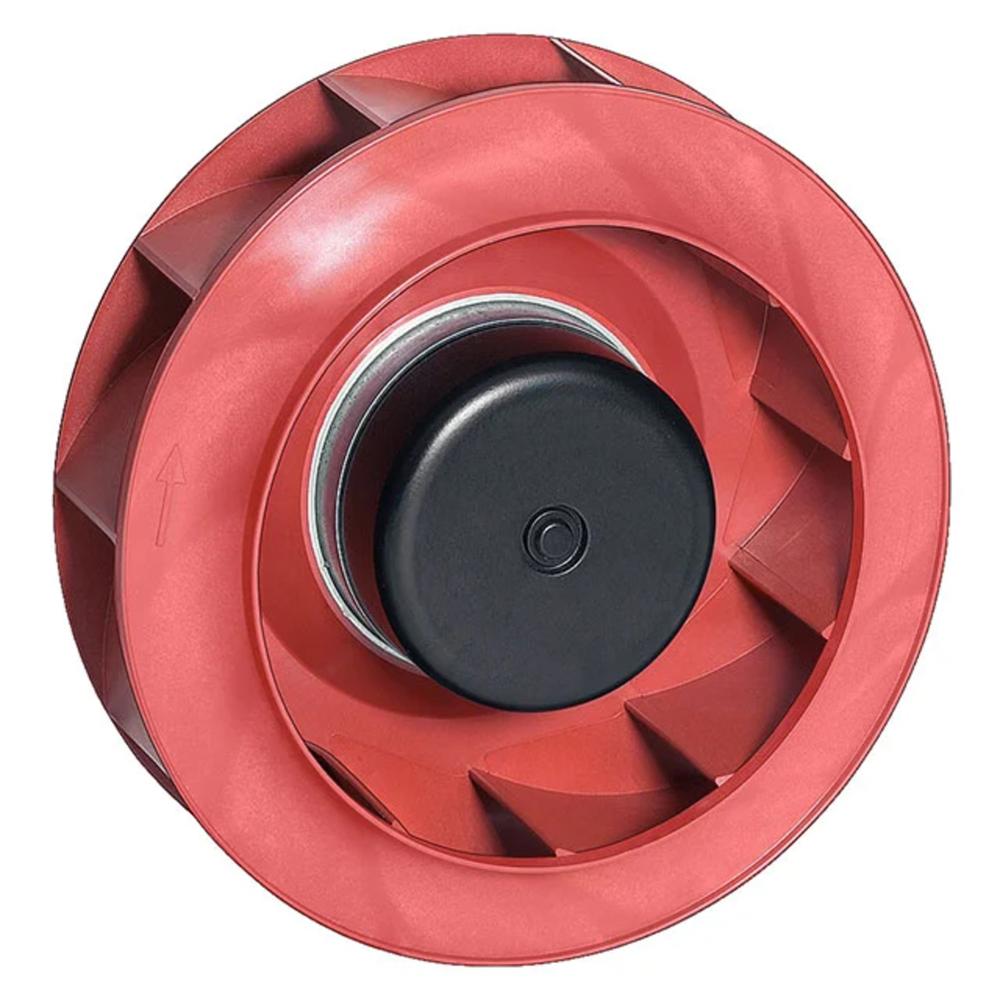
EBMPAPST R1G220-AB73-95 48V DC 100W 22071mm Ball Bearing Industrial Inverter Axial Cooling Blower
Price 9999.0 INR / Piece
Minimum Order Quantity : 10 Pieces
Dimension (L*W*H) : 220 Millimeter (mm)
Power Source : Electric Blower
Color : RED
Material : PP
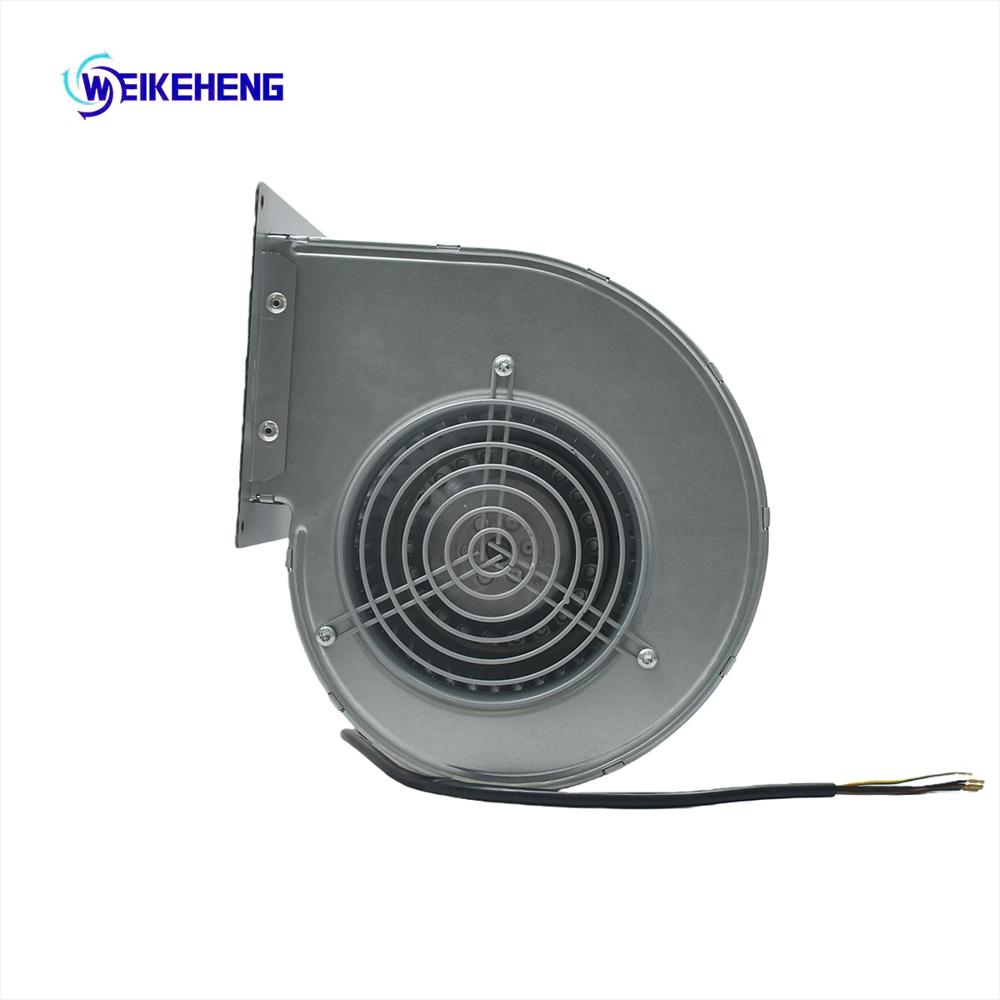
EBM PAPST D2E133-CH97-96 230V 175/190W Electric Powered Fan Turbine Centrifugal Blower
Price 49999.0 INR / Piece
Minimum Order Quantity : 10 Pieces
Dimension (L*W*H) : 172 Millimeter (mm)
Power Source : Electric Blower
Color : SILVER
Material : Steel
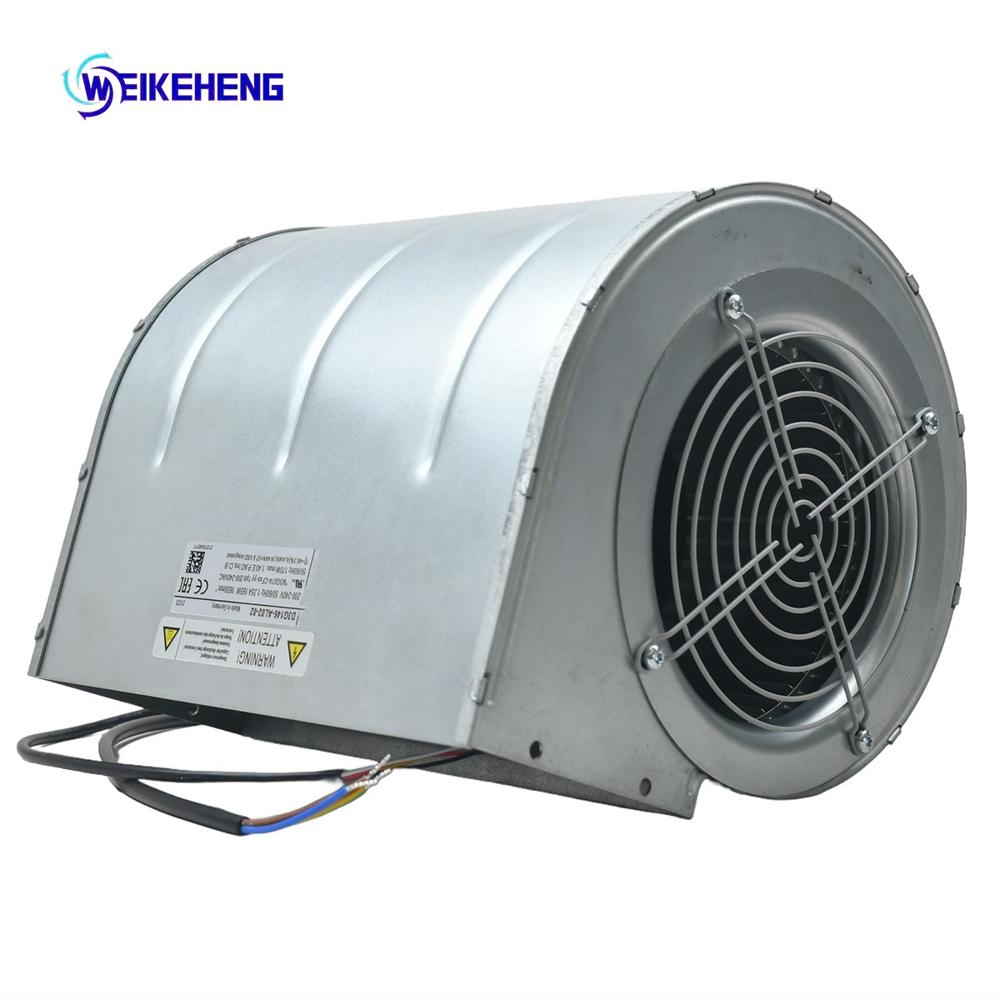
EBM PAPST D3G146-AL02-02 Inverter Cooling Fan Electric Blower for Industrial Fan
Price 49999.0 INR / Piece
Minimum Order Quantity : 10 Pieces
Dimension (L*W*H) : 172 Millimeter (mm)
Power Source : Electric Blower
Color : SILVER
Material : Steel

 Send Inquiry
Our Products
- DC Brushless Fans
- DC Power Supply SMPS
- Laptop Adapters
- Toy Sensors
- LED Light
- Relay Module
- Strip Lights
- Geared Motors
- DC Pump
- Jumper Wires And Breadboard
- Robowar Wheels
- LED Diode
- Vibration Motor
- BO Motors With Wheels
- Servo Motors
- Power Cords
- Lipo RC Battery
- BLDC Motor Fan
- Robotic Wheels
- Tactile Switches
- Relay Remote
- Seven Segment
- RCA Sockets
- USB Sockets
- Oxygen Regulator Fine Valve
- Emergency Light Switches
- Electric Air Blower
- Sensors Buzzer
- DC Motor
- DC Cooling Fan
- RF relay module
- DC Geared Motor
- 12V High Speed Blower Fan
- Lithium Ion Battery
- Vibrator Motor


532, Rishi Nagar, Rani Bagh, Delhi - 110034, India

Mr Raghav
(Proprietor)
Mobile :08045803699
 Send Inquiry
 Send SMS
Developed and Managed by Infocom Network Private Limited.
